Why CCTV Cameras Matter in Melbourne Today
Melbourne is a dynamic, fast-growing city with dense residential areas, busy commercial zones, and a mix of old and new infrastructure. That growth brings opportunity but also increased exposure to property crime, vandalism, disputes, and safety risks. For homeowners and business owners alike, CCTV camera Installation have become a practical, everyday tool for protecting people, property, and peace of mind.
CCTV is no longer just about “watching footage after something goes wrong.” In Melbourne, it plays a preventative, evidentiary, and compliance-focused role that supports safer homes, stronger businesses, and clearer accountability.
What CCTV Cameras Are and How They Work
Closed-Circuit Television (CCTV) systems are video surveillance setups designed to monitor specific areas and restrict access to recorded footage.
Most modern CCTV systems include:
- Security cameras (indoor or outdoor)
- Recording devices (NVR or DVR)
- Storage (local hard drives or cloud-based)
- Network access for remote viewing
- Monitoring devices such as smartphones or computers
How CCTV Improves Security
- Cameras capture live video of defined areas.
- Footage is transmitted to a recorder or cloud platform.
- Motion detection or scheduled recording stores key events.
- Users can review footage in real time or later if needed.
- Recorded video can be used for investigation or dispute resolution.
Why CCTV Cameras Are Important in Melbourne
1. Crime Deterrence in Urban and Suburban Areas
Visible CCTV camera discourage opportunistic crime. Properties with cameras are less appealing targets for:
- Break-ins
- Package theft
- Car vandalism
- Shoplifting
In Melbourne’s inner suburbs, retail strips, and mixed-use buildings, cameras act as a clear signal that activity is being monitored.
2. Evidence Collection When Incidents Occur
When incidents do happen, CCTV footage becomes a critical source of evidence. High-quality video can:
- Identify offenders
- Support police investigations
- Clarify what actually happened during disputes
- Protect property owners from false claims
Victoria Police and insurance providers often rely on video evidence to validate reports and speed up resolutions.
3. Home Safety and Daily Peace of Mind
For homeowners, CCTV cameras help monitor:
- Front doors and driveways
- Garages and backyards
- Deliveries and visitors
- Children arriving home from school
- Elderly family members or carers
Remote access allows homeowners to check their property at any time, whether they are at work or interstate.
4. Business Risk Management and Liability Protection
For Melbourne businesses, CCTV supports:
- Theft prevention (internal and external)
- Staff and customer safety
- Monitoring of after-hours access
- Handling customer complaints or injury claims
- Workplace incident documentation
Retail stores, warehouses, offices, and hospitality venues all use CCTV differently, but the goal is the same risk mitigation. We provide CCTV packages for retail stores, warehouses, offices, and hospitals.
5. Insurance and Compliance Benefits
Many insurers consider CCTV a risk-reduction measure. While it does not guarantee lower premiums, it can:
- Strengthen insurance applications
- Reduce claim disputes
- Provide supporting documentation after incidents
Home CCTV vs Business CCTV: Key Differences
| Feature | Home CCTV | Business CCTV |
|---|---|---|
| Primary Purpose | Personal safety | Risk management & liability |
| Coverage Area | Entry points, driveways | Public areas, stock zones |
| Legal Obligations | Basic privacy compliance | Signage & staff considerations |
| Monitoring | Owner access | Owner + authorised managers |
| Scalability | Limited cameras | Multi-camera systems |
Understanding these differences helps avoid over- or under-investing in the wrong system.
Melbourne-Specific Factors That Increase CCTV Importance
Local Risk Considerations
- Higher population density in inner suburbs
- Busy CBD and retail precincts
- Industrial estates with after-hours exposure
- Apartment complexes with shared access points
- Short-term rental properties
Environmental Conditions
Melbourne’s climate also affects CCTV performance. Systems often need:
- Night vision for early winter sunsets
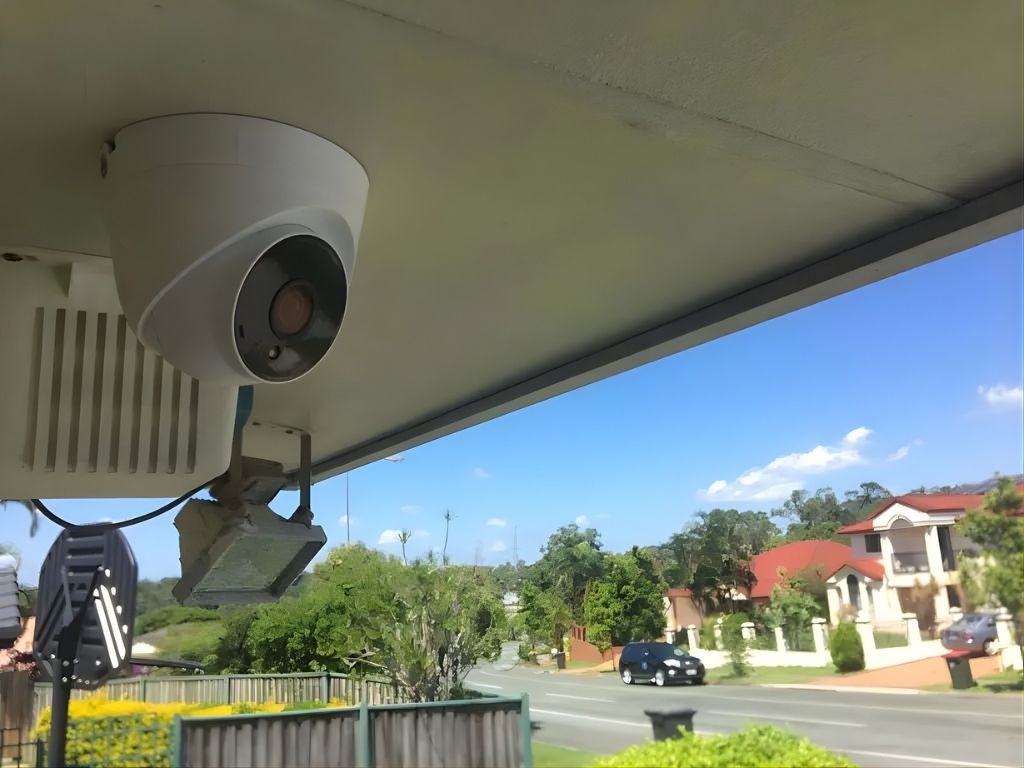
- Weather-resistant housing for rain and wind
- Wide-angle lenses for laneways and car parks
Types of CCTV Systems Used in Melbourne
IP (Network) Cameras
- High-resolution video
- Remote access via apps
- Scalable for businesses
- Compatible with cloud storage
Analog HD Cameras
- Cost-effective
- Reliable for smaller sites
- Lower network complexity
Wireless CCTV Systems
- Faster installation
- Popular for homes and rentals
- Still require stable Wi-Fi
Smart CCTV Systems
- Motion and object detection
- Alerts for unusual activity
- Limited AI features (subject to privacy rules)
Legal and Privacy Requirements in Victoria
CCTV use in Melbourne must comply with state and federal laws.
Key considerations include:
- Surveillance Devices Act 1999 (VIC)
Prohibits audio recording without consent and restricts intrusive surveillance. - Privacy Act 1988 (Cth)
Applies to businesses handling personal information. - Signage Requirements
Businesses must clearly notify people that CCTV is in operation. - Camera Placement Rules
Cameras must not record private areas such as neighbouring bathrooms or bedrooms.
Failing to comply can expose property owners to legal complaints or fines.
Benefits and Limitations of CCTV Cameras
Benefits
- Strong crime deterrence
- Clear incident evidence
- Remote monitoring
- Improved safety awareness
- Insurance support
Limitations
- Upfront installation costs
- Ongoing maintenance
- Privacy obligations
- CCTV alone does not physically stop crime
CCTV works best as part of a layered security approach.
CCTV Costs in Melbourne: What to Expect
Costs vary depending on system size, camera quality, and installation complexity.
Typical ranges:
- Home systems: Entry-level to mid-range, depending on camera count
- Small businesses: Scalable systems with additional storage
- Larger sites: Higher investment due to coverage needs
Factors affecting cost include:
- Number of cameras
- Night vision requirements
- Storage duration
- Indoor vs outdoor installation
Choosing the Right CCTV System
Before purchasing or installing CCTV, consider:
- Property type (home or business)
- Areas requiring coverage
- Lighting conditions
- Privacy obligations
- Budget range
- Need for remote access
Practical Guidance
- Homes benefit from wireless IP cameras with app access.
- Retail stores need fixed cameras covering entrances and counters.
- Warehouses require wide-angle and night-vision cameras.
- Offices often focus on entry points only.
Common CCTV Mistakes to Avoid
- Installing cameras without proper signage
- Poor camera placement creating blind spots
- Recording audio unintentionally
- Overlooking storage limits
- Relying on CCTV without alarms or lighting
Avoiding these mistakes improves both effectiveness and compliance.
CCTV Alternatives and Complementary Systems
CCTV is most effective when combined with:
- Bosch alarm system
- Motion sensors
- Access control systems
- Dahua IP Intercom
- Security lighting
These layers work together to reduce risk and response time.
Best Practices for Melbourne Property Owners
- Use licensed and experienced installers
- Follow Victorian privacy regulations
- Review footage access permissions
- Maintain cameras and storage systems
- Reassess coverage as property use changes
Frequently Asked Questions
Is CCTV legal for homes in Melbourne?
Yes, provided cameras do not intrude on neighbours’ private spaces and no audio is recorded without consent.
Do businesses in Melbourne need CCTV?
It is not mandatory, but many businesses use CCTV to manage risk, safety, and insurance requirements.
Does CCTV actually prevent crime?
CCTV reduces opportunistic crime and provides accountability, but works best alongside other security measures.
Where should Surveillance cameras be placed?
Key locations include entry points, driveways, car parks, and public-facing areas.
Can CCTV footage be used in court?
Yes, if it is legally obtained, clearly recorded, and properly stored.
How long should CCTV footage be kept?
Retention depends on purpose and storage capacity, but footage should not be kept longer than necessary.
Can CCTV record audio?
Audio recording is generally restricted under Victorian law and should be avoided unless explicit consent is obtained.
Conclusion
Security cameras are important for homes and businesses in Melbourne because they address real, local risks crime, disputes, liability, and safety concerns. When installed correctly and used within legal boundaries, CCTV systems offer deterrence, clarity, and peace of mind.
For homeowners, CCTV enhances daily security and awareness. For businesses, it supports risk management, compliance, and operational confidence. The key is choosing the right system, placing cameras responsibly, and understanding the legal responsibilities that come with surveillance.